Loading…
Please wait while we prepare your content
Loading…
Please wait while we prepare your content
We sell physical gold and silver, held in your name. No house positions, no scripts, no rush. You’ll see the costs on paper before anything moves.
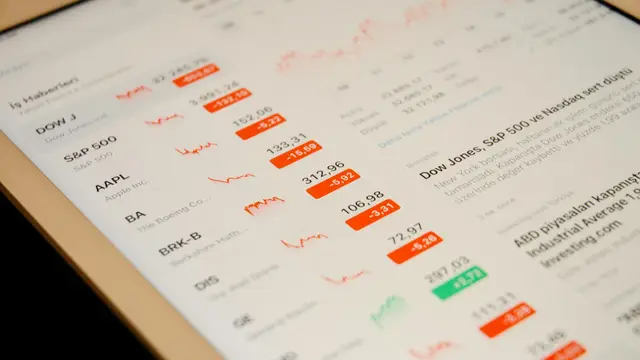
Indicative. Call for a firm quote.
Every financial instrument you can name is a contract. A share of stock is a contract with a company. A bond is a contract with a borrower. A dollar is a contract with a treasury. That password-locked balance at your brokerage? It’s a contract with a custodian, who holds a contract with a clearinghouse, who holds a contract with a settlement bank. None of these things are truly owned the way you’d own a truck or a kitchen table. They’re remembered — by institutions, on ledgers, under rules written somewhere else, and changed somewhere else.
That isn’t a complaint. Modern finance works this way, and it’s given us a remarkable century of compounding returns. But it’s also in the nature of modern finance to forget — now and then, in big chunks, for reasons that only become clear after the forgetting is done.
A gold coin sitting in your desk drawer is the smallest working institution in the world. It has one employee — you — and it doesn’t keep minutes.
Physical metal, held under your own name and in your own hands, is a different kind of thing altogether. It isn’t a claim. It isn’t a promise. It doesn’t depend on a counterparty’s cash flow or a custodian’s solvency. It’s there — in a weight and purity that doesn’t need anyone’s ongoing attention. That’s ownership in the oldest sense: the thing itself, held by you. Gold won’t make you rich overnight, and it won’t pay dividends. What it will do is sit quietly on your balance sheet, answering to no one, long after the latest crisis has a name.
Most of the people who come to us aren’t suspicious of the financial system. They’ve done well inside it, and they understand how it works. They don’t want an exit. What they want is a small, uncorrelated corner of their holdings that answers to nothing and no one — a backstop against the kind of headlines that arrive without warning.
If any of this sounds worth thinking through, the Reading Room lays out the longer case — on gold, on silver, on the dollar, on debt, and on what a household can do about all of it.
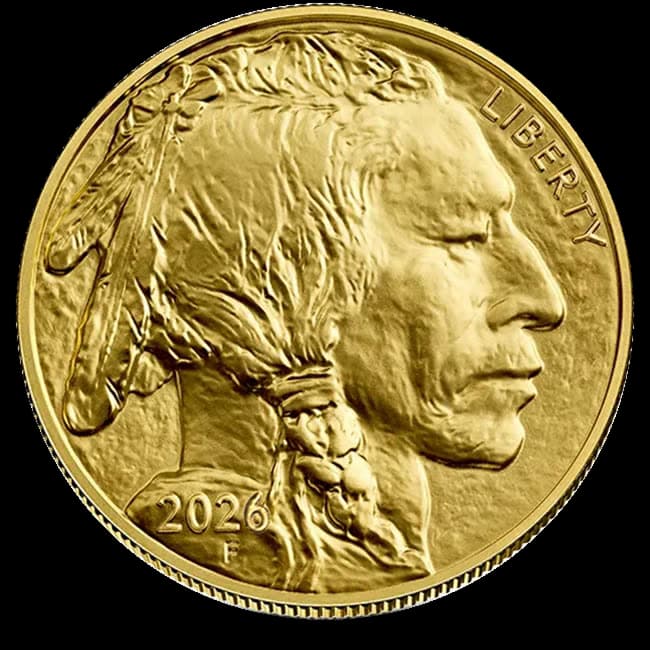
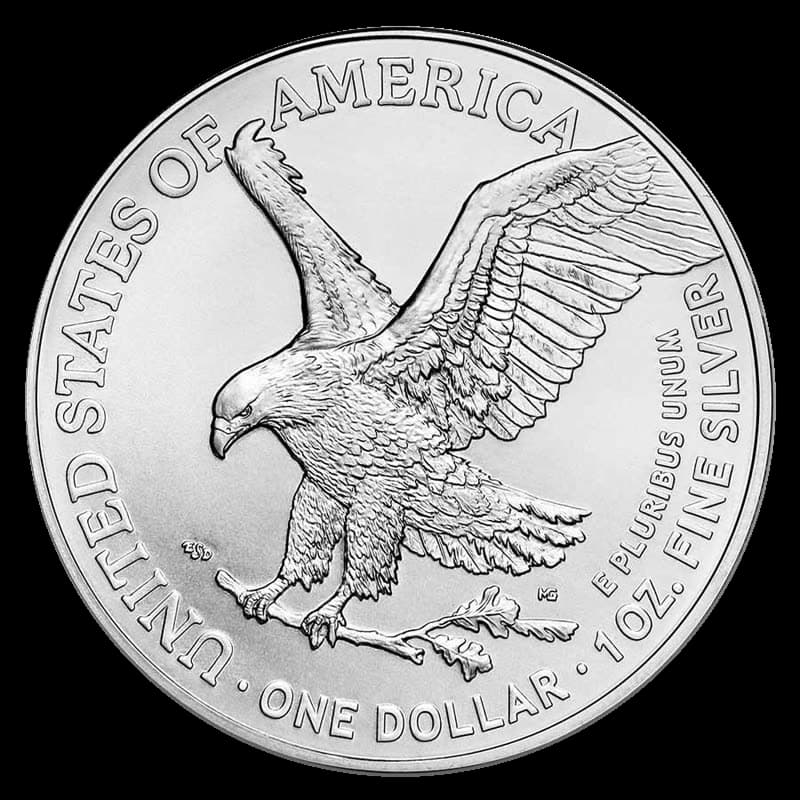
The United States Mint's standard bullion coin. 91.67% fine gold, legal tender, struck without pause since 1986.
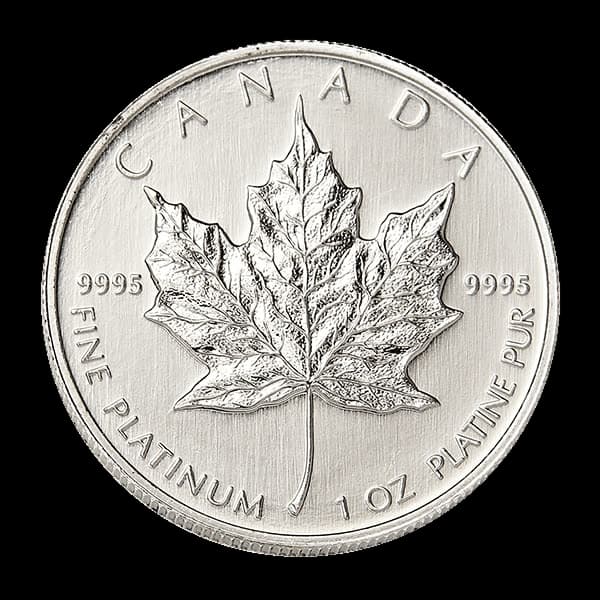
Royal Canadian Mint. 99.99% fine, among the purest sovereign coins in the world. A common choice for vaulted holdings.
A historical coin of the Crown, struck continuously since 1817. Small enough to move quietly, heavy enough to matter.
Hand-poured cast silver from established American refiners. The working unit of a serious silver position.
The institutional unit. 32.15 troy ounces, stamped and registered, suitable for vaulted positions over $2 million.
Dimes, quarters, and halves struck by the U.S. Mint before 1965. 90% silver by weight. A quiet instrument for the patient.
Six is the short list. The full catalogue is longer — and its contents change by the week.
Browse the Full Catalogue
Liberty Gold Silver is led by Kelvin, who built the firm around a principle that's a little unfashionable in this industry: the paperwork arrives before the metal, the phone call arrives before the paperwork, and at every step you'll have a written record of what's been agreed. It sounds ordinary. In bullion, it isn't.
We don't take house positions, don't run a trading book against our clients, and don't route your order through a call-centre. If you ring us, you'll speak with Kelvin or with one of the two people who've worked at his side for a decade — and the conversation will be a real one.
In which we consider the peculiar reassurance of a small, heavy object — and why most clients, in the end, hold one before they hold many.
A long explanation of a short sentence, in which the conflict of interest that runs through most bullion dealers is laid bare — and our departure from it spelled out.
The British Sovereign, a coin older than most national banking systems, has quietly gone back to work as the traveller's instrument of last resort. A brief history with recent notes.
A field note on settlement — what actually happens between the moment a wire is sent and the moment a coin arrives, written for the client who has reasonably asked.
More from the Desk — on gold, on silver, on IRAs, on the dollar.
Weekdays · 9–6 Mountain · Kelvin picks up
Or Drop Us a Line